
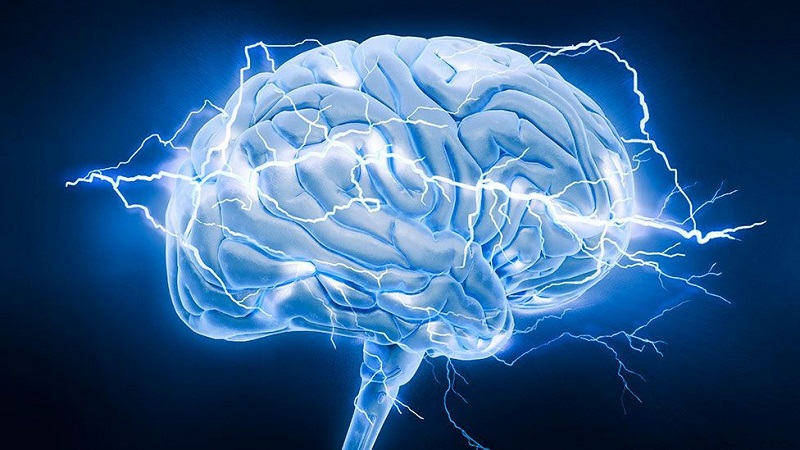
The human brain has long been revered as a remarkable organ, captivating the imagination of scientists and the general public alike. Its intricate network of neurons, glial cells, and supporting structures work harmoniously to orchestrate the complex functioning of this awe-inspiring organ. As neuroscience continues to make groundbreaking advancements, it becomes imperative to dispel misconceptions and clarify misunderstood information about the brain. In this edition of our Know Your Body series, we delve into a commonly held belief: the notion that the human brain is composed of 60 percent fat. But, is this claim truly accurate?
According to Dr. S Ramesh, a renowned neurosurgeon at Kamineni Hospitals in Hyderabad, India, the statement that the brain is comprised of 60 percent fat is an oversimplification that requires further elucidation. “While it is true that the brain contains a significant amount of lipids, or fats, asserting that it consists of precisely 60 percent fat is not entirely accurate,” he explains.
One crucial structural constituent of brain membranes is docosahexaenoic acid (DHA), found predominantly in the central nervous system. Dr. Sudhir Kumar, a distinguished neurologist, highlights that DHA accumulates in the fetal brain primarily during the last trimester of pregnancy and continues at exceptionally high rates for up to 5-6 years after birth.
The composition of the human brain is a complex and dynamic phenomenon, with fats playing a vital role. However, it is crucial to note that the brain’s composition varies based on factors such as age, sex, and overall health. Dr. Ramesh further clarifies, “In reality, the brain consists of approximately 60 percent fat in terms of its dry weight. Nonetheless, this percentage does not accurately represent the brain’s fat content by volume or its total mass.”
To truly understand the intricacies of the brain’s composition, researchers employ advanced scientific techniques that offer a more nuanced perspective. Sophisticated imaging technologies, such as magnetic resonance imaging (MRI) and spectroscopy, allow scientists to investigate the molecular composition of the brain in greater detail. These techniques reveal a diverse array of components beyond fats, including proteins, carbohydrates, and water.
Furthermore, studies have shown that the brain’s fatty composition decreases with age. Researchers have discovered that older brains tend to have lower levels of lipids compared to younger ones. This finding highlights the dynamic nature of the brain’s composition throughout the course of an individual’s life.
As our understanding of the brain continues to evolve, it is essential to approach scientific claims with caution. While the brain undoubtedly contains fats crucial for its proper functioning, the notion that it is made up of precisely 60 percent fat oversimplifies its complexity. By dispelling myths and embracing the ongoing advancements in neuroscience, we inch closer to unlocking the full potential of the extraordinary organ that is the human brain.
Facts and Figures:
- Docosahexaenoic acid (DHA) accumulates in the fetal brain mainly during the last trimester of pregnancy and continues at high rates for up to 5-6 years after birth.
- Advanced imaging technologies, such as MRI and spectroscopy, enable scientists to investigate the molecular composition of the brain, revealing a diverse array of components beyond fats.
- Older brains tend to have lower levels of lipids compared to younger ones, indicating a decrease in fatty composition with age.


